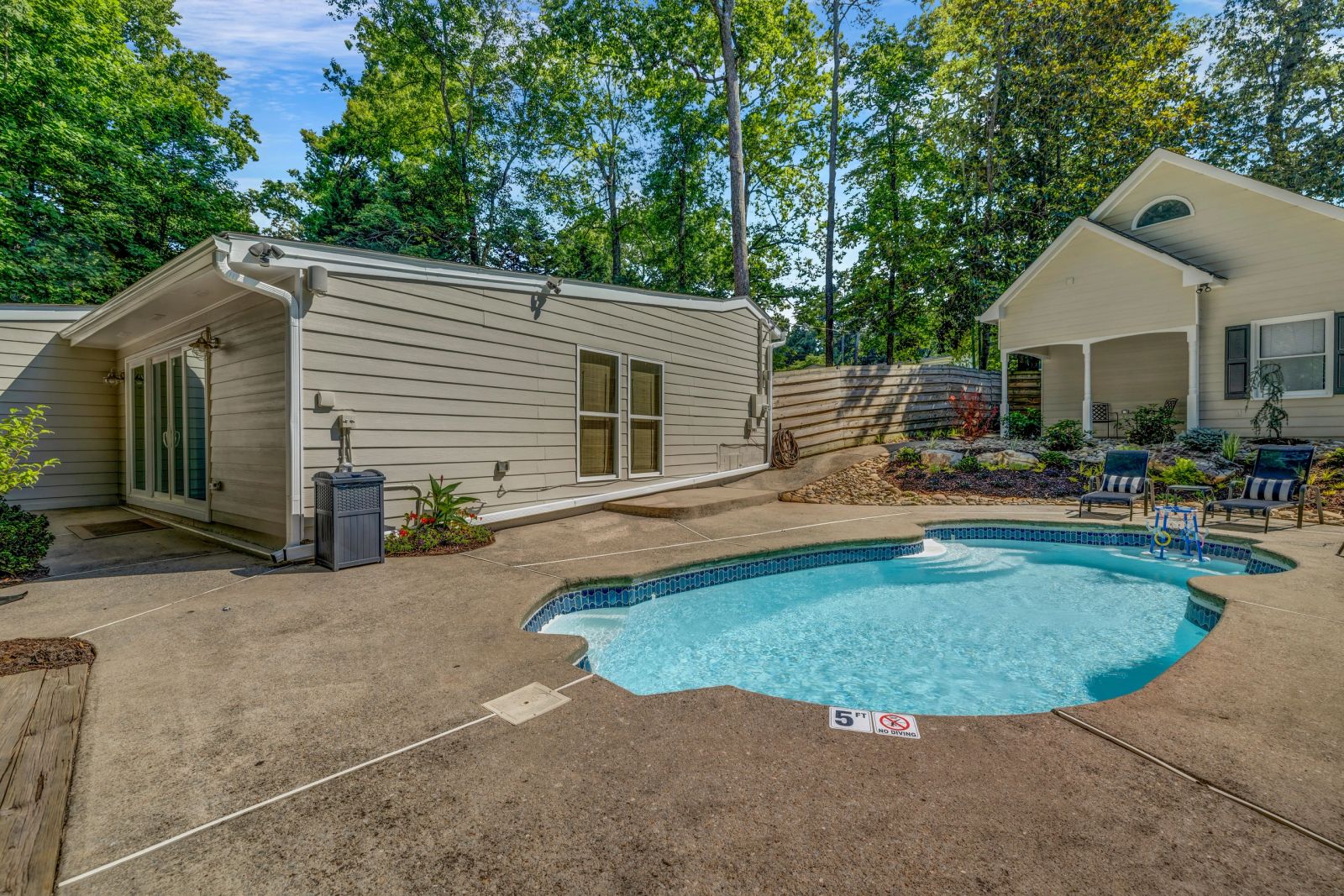
How to Analyze a Property for Airbnb Investment

Investing in an Airbnb property can be a lucrative venture, but only if you choose the right property. To maximize profitability and minimize risk, you need a systematic approach to analyzing potential investments. Here’s a step-by-step guide to evaluating a property for short-term rental success.
Step 1: Define Your Investment Criteria
Before analyzing properties, determine your investment goals:
- Are you looking for cash flow or long-term appreciation?
- What is your budget?
- Do you prefer urban, suburban, or vacation rental markets?
- What level of involvement do you want (self-management vs. property management)?
Defining these criteria helps filter properties that align with your objectives.
Step 2: Research the Market
A strong market is essential for Airbnb profitability. Evaluate the following factors:
- Demand: Are there enough tourists, business travelers, or event attendees in the area?
- Seasonality: Will your occupancy rates fluctuate significantly throughout the year?
- Regulations: Check local short-term rental laws, zoning restrictions, and HOA rules.
- Competition: Analyze similar Airbnb listings to determine average rates and occupancy levels.
Use tools like AirDNA, PriceLabs, and STR Insights to gather data on revenue potential.
Step 3: Estimate Potential Revenue
To determine potential income, calculate:
- Average Daily Rate (ADR) – Look at similar properties in your market.
- Occupancy Rate – Estimate how often your property will be booked.
- Monthly Revenue = (ADR) x (Expected Occupancy Rate x 30 Days)
Example:
- ADR: $150
- Expected Occupancy: 70%
- Estimated Monthly Revenue: $150 x (0.7 x 30) = $3,150
Step 4: Analyze Expenses
Break down operating costs:
- Mortgage Payment (if applicable)
- Property Taxes & Insurance
- Utilities (Water, Gas, Electricity, Internet)
- Cleaning Fees
- Maintenance & Repairs
- Furnishing & Supplies
- Software & Management Fees (if hiring a co-host or property manager)
A good rule of thumb: Aim for expenses to be 50% or less of gross revenue.
Step 5: Calculate Cash Flow & ROI
Cash Flow = Monthly Revenue - Monthly Expenses
Return on Investment (ROI) = (Annual Profit / Total Investment) x 100
Example:
- Total Investment (Down Payment + Setup Costs): $60,000
- Annual Profit: $24,000 ($2,000 monthly profit x 12)
- ROI: ($24,000 / $60,000) x 100 = 40%
Compare this with other investment opportunities to ensure Airbnb is the best use of your capital.
Step 6: Perform a Sensitivity Analysis
Real estate investments come with uncertainties. Test different scenarios:
- Best Case: High occupancy and premium pricing.
- Worst Case: Low occupancy, high expenses, or regulatory changes.
- Break-Even Analysis: At what occupancy rate do you cover costs?
This ensures you can withstand market fluctuations.
Step 7: Verify With Local Experts
Talk to:
- Other Airbnb hosts in the area
- Real estate agents specializing in short-term rentals
- Property managers who understand local demand
Their insights can confirm your revenue projections and help you avoid pitfalls.
Step 8: Make an Informed Decision
If the numbers check out and the risk is manageable, you’re ready to move forward! Secure financing, negotiate the purchase, and start planning your Airbnb setup for maximum guest appeal.
Final Thoughts
A thorough property analysis is crucial for Airbnb success. By following these steps, you’ll reduce uncertainty, maximize profit potential, and build a sustainable short-term rental business. Whether you're a new investor or scaling your portfolio, the right property selection will make all the difference.
Would you like a spreadsheet template to streamline your property analysis? Let us know, and we’ll send one your way!
Want a hands-off, high-performing rental?
Terminus Hospitality handles listings, pricing, guests, cleaning and maintenance.
Request a consultation